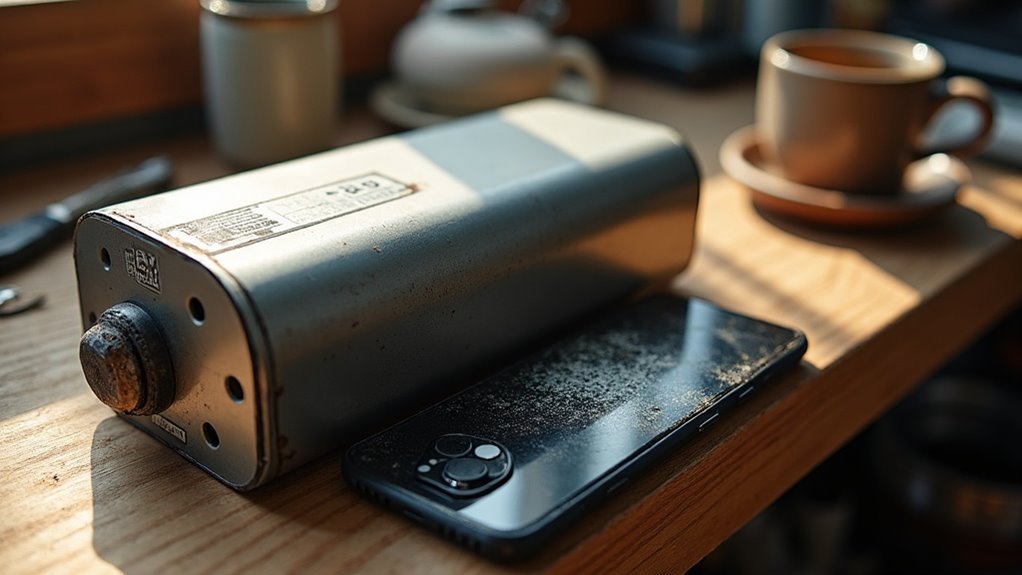
E-bike battery warranties typically expire after one year, leaving you at risk for costly replacements and declining performance. Once the warranty lapses, you may experience a noticeable drop in battery capacity and issues like rapid discharge. Normal wear and tear can exacerbate these problems, highlighting the importance of proper maintenance. Many e-bike owners express frustrations with battery longevity after the warranty period. Understanding these factors can empower you to manage your e-bike’s battery more effectively; for more insights on maintenance and replacement options, explore our resources.
Key Takeaways
- E-bike battery warranties typically last one year, covering defects in materials and workmanship but not normal wear and tear.
- After the warranty expires, e-bike batteries often lose about 30% capacity within the first three years, impacting performance and ride distance.
- Common post-warranty issues include rapid discharge and an inability to hold a charge, typically associated with aging rather than manufacturing defects.
- Replacement e-bike batteries usually come without extended warranties, resulting in increased costs as pro-rated charges rise over time.
- Users should consider extended warranties and practice proper battery maintenance to avoid unexpected replacement expenses after the warranty period.
Understanding E-Bike Battery Warranty Basics
Understanding the nuances of e-bike battery warranties is essential, especially since they can greatly impact your ownership experience.
Typically, a battery warranty lasts for one year, covering defects in materials and workmanship. However, terms vary by manufacturer, making it vital to scrutinize coverage details.
A typical e-bike battery warranty lasts one year, focusing on defects in materials and workmanship, but terms can vary significantly by manufacturer.
Most warranties exclude shipping costs for replacements and may only cover battery cells, not the entire unit. Usage conditions and normal wear and tear can affect warranty validity, so it’s important to know what’s included.
After the warranty period, replacement batteries usually lack extended coverage, reinforcing the need to fully understand your original battery warranty.
Common Battery Problems After Warranty Expiration
After your e-bike battery warranty expires, you may encounter several common issues that can significantly affect your riding experience.
Lithium-ion batteries typically lose about 30% of their capacity within the first three years, resulting in diminished range per charge and potentially expensive replacements. Additionally, understanding the best e-bike batteries can help you make informed decisions for future upgrades or replacements.
Being aware of these problems and practicing proper maintenance can help prolong your battery’s lifespan and save you money over time.
Common Battery Issues
When your e-bike’s battery warranty expires, you may experience a decline in performance, particularly in ride distance and capacity.
Common issues with lithium-ion batteries include an inability to hold a charge, leading to rapid discharge or total charging failure. Overcharging and inadequate maintenance can accelerate battery degradation, causing malfunctions once the warranty is over.
Additionally, if your battery remains idle without periodic charging, it may incur irreversible damage, resulting in complete failure.
Be prepared for increased replacement costs, as pro-rated pricing typically applies after the warranty period, making timely attention to battery health essential for prolonged performance.
Maintenance and Care Tips
To ensure your e-bike battery remains functional even after the warranty has expired, it’s crucial to adopt consistent maintenance practices. Here are some tips to enhance your battery’s health:
- Regular Charging: Keep your lithium-ion battery charged; letting it sit idle can lead to capacity loss.
- Avoid Overcharging: Disconnect the charger before reaching 100% to prevent overheating and extend its lifespan.
- Maintain Cleanliness: Regularly clean the battery to prevent debris buildup, which can affect performance.
- Monitor Wear: Be aware that normal wear and tear isn’t covered; plan for potential replacement costs as performance declines.
Additionally, understanding e-scooter battery characteristics can help you make informed decisions about maintenance and replacements.
What to Expect After Your E-Bike Battery Warranty Expires?
As your e-bike battery warranty approaches its expiration, it’s crucial to prepare for the potential costs and responsibilities that arise.
Once the warranty ends, you’ll be responsible for any repairs or replacements, including costs that may be pro-rated based on the original purchase price.
Typically, new e-bike batteries don’t come with extended warranties, meaning the original warranty date remains in effect.
Regular maintenance and monitoring of battery health become vital, as batteries left unused can deteriorate.
Familiarizing yourself with the specific terms of your warranty will help you anticipate these costs and needs, ensuring you’re equipped for what lies ahead. Additionally, understanding battery charger specifications can help you choose the right charger for your e-bike battery’s needs.
How to Maintain Your E-Bike Battery
Maintaining your e-bike battery is essential for ensuring peak performance and longevity. Follow these guidelines to maximize its lifespan:
- Charge Regularly: Keep your lithium-ion battery active; idle batteries can degrade over time.
- Avoid Overcharging: Overcharging can lead to premature degradation and may impact your warranty.
- Monitor Performance: Keep an eye on your battery’s health during the warranty period to identify any defects early.
- Store Properly: Store your battery in a cool, dry place to prevent damage from temperature fluctuations. Additionally, consider using temperature monitors for batteries to keep track of optimal conditions.
Replacement Options and Costs After Expiration
Once your e-bike battery warranty expires, understanding replacement options and associated costs becomes essential.
Typically, you’ll encounter pro-rated charges that increase over time, often without the benefit of an extended warranty.
Familiarizing yourself with the manufacturer’s policies is crucial, as these will guide your replacement process and potential expenses. Additionally, knowing about the best electric bikes can help you make informed decisions when considering a replacement.
Replacement Battery Options
When your e-bike battery warranty expires, understanding your replacement options becomes essential. Here’s what you need to know:
- Replacement Batteries: Typically, these don’t come with an extended warranty; they maintain the original warranty date.
- Pro-Rated Costs: During the pro-rated period (months 25-48), costs rise based on the original purchase price, starting around 50% in month 25.
- Manufacturers’ Policies: They dictate the replacement process, so check their specific guidelines.
- Documentation Required: Keep your original purchase documentation handy to facilitate any replacement claims even after the warranty expires.
Cost Factors Explained
Understanding the cost factors associated with e-bike battery replacements after the warranty period is essential for any e-bike owner.
Once the warranty expires, typically after 24 months, replacement costs may be pro-rated based on the original purchase price, with escalating costs as time passes. Early replacements can save you money.
Be aware that manufacturers usually don’t extend warranties on replacement batteries, keeping the original warranty date in effect. You’ll often need documentation for claims, and understanding replacement policies is vital.
How to Navigate Warranty Claims Effectively
Navigating Warranty Claims for Your E-Bike Battery
Steering warranty claims for your e-bike battery can be straightforward if you approach the process methodically. Follow these steps to ensure effective navigation:
Navigating warranty claims for your e-bike battery is simple with a methodical approach. Follow these steps for success.
- Review Warranty Terms: Familiarize yourself with the coverage details and duration specific to your e-bike manufacturer.
- Keep Documentation Handy: Store receipts and warranty information to streamline your claims process.
- Contact the Manufacturer: Reach out directly for replacement requests, ensuring you note that the original warranty remains in effect.
- Monitor Performance: Regularly check battery health and report any issues before warranty expiration to secure potential support.
Community Insights: Experiences With Expired Warranties
Experiences shared by e-bike owners reveal a common narrative surrounding expired battery warranties. Many encounter steep replacement costs once their battery warranty lapses, often due to normal wear and tear rather than manufacturing defects.
Community discussions highlight frustrations with declining battery performance just outside warranty periods, leading to mixed feelings about brand reliability. Users frequently emphasize the importance of proactive care and regular battery checks to extend lifespan.
Additionally, they recommend considering extended warranties at purchase to mitigate future replacement costs, ensuring better protection against the unexpected challenges that arise with expired warranties.