
E-bike battery fire safety is crucial due to the dramatic rise in e-bike usage, resulting in over 3,000 fire incidents since 2022, with serious injuries and fatalities, especially in New York City. Most fires happen during unattended charging, often caused by defective batteries and improper handling. If you’re unaware of safe practices, you may be putting yourself at risk. Knowing these hazards and how to prevent them can safeguard you and your community, highlighting the importance of e-bike safety.
Key Takeaways
Why E-Bike Battery Fire Safety Matters
- E-bike batteries can ignite due to lithium-ion risks, leading to serious fires and injuries, particularly during unattended charging.
- Over 3,000 e-bike fire incidents since 2022 highlight the urgent need for battery fire safety awareness and practices.
- Many e-bike owners lack knowledge about lithium-ion battery risks, increasing the likelihood of unsafe charging and storage habits.
- Regular battery inspections and adherence to proper charging practices can significantly reduce the risk of battery fires.
- Community awareness and education on safety protocols are essential for preventing e-bike battery fire incidents.
Why E-Bike Battery Fire Safety Matters
E-bike battery fire safety is critical due to the often-overlooked risks associated with lithium-ion batteries. Since 2022, there have been over 3,000 incidents involving e-bike fires, highlighting the urgent need for increased awareness.
In New York City, fire-related injuries and fatalities have surged, underscoring this issue. Alarmingly, 53% of e-bike owners are unaware that their devices utilize lithium-ion batteries, which raises the likelihood of mishandling.
Adopting proper charging practices is vital; most fires occur during charging, particularly when batteries are left unattended.
Strong legislative advocacy for mandatory safety standards is essential, as existing regulations remain voluntary, leaving users exposed to danger. Additionally, understanding how to choose lithium battery fire extinguishers can significantly mitigate these risks.
The Rising Risk of E-Bike Battery Fires
As e-bike sales continue to surge, the risks associated with battery fires are becoming increasingly alarming. The rise in lithium-ion battery fires poses a significant threat.
Here are key points to consider:
- Since 2022, over 3,000 fires and 188 explosions have been linked to these batteries.
- New York City reported 267 e-bike fires in 2023, resulting in 150 injuries and 18 fatalities.
- A staggering 53% of e-bike owners are unaware that their devices use lithium-ion batteries, which can lead to unsafe charging practices.
Understanding these risks is essential for ensuring your safety and preventing thermal runaway incidents with e-bikes. Additionally, using the right battery charger type can greatly minimize the risk of such incidents.
Common Causes of E-Bike Battery Fires and How to Prevent Them
E-bike battery fires often arise from defective batteries and improper charging practices.
Overlooking battery quality or charging the battery unattended significantly increases the risk of overheating and short circuits.
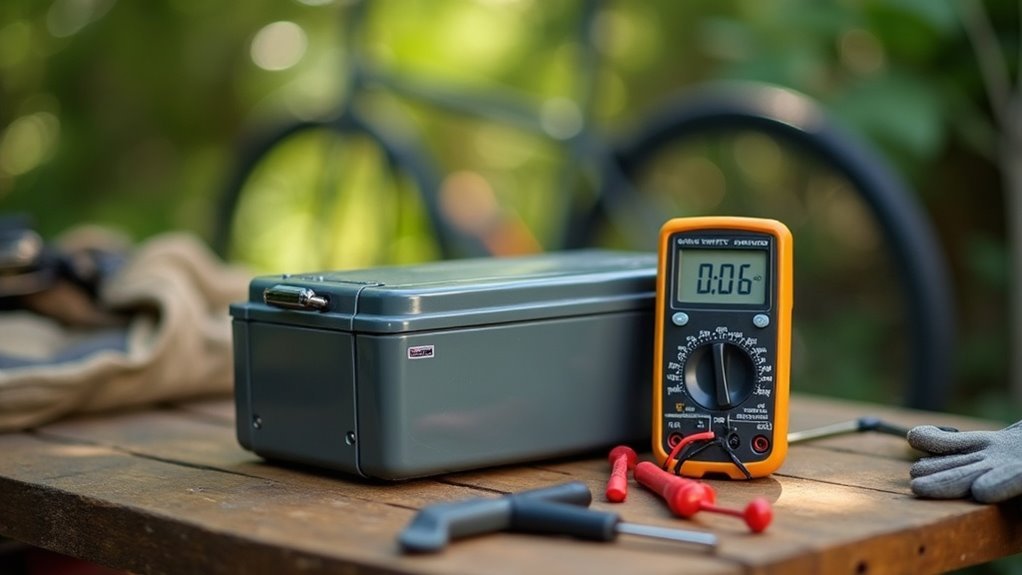
Recognizing these common causes is crucial for implementing effective prevention strategies tailored specifically for e-bikes. Additionally, using a fire-resistant battery charging box can help mitigate the risk of fire during the charging process.
Defective Battery Issues
While enjoying the convenience of electric bikes, it’s essential to recognize that defective batteries pose significant fire risks. Poor manufacturing can lead to thermal runaway and mechanical defects, such as short circuits, increasing the likelihood of overheating.
To mitigate these risks, consider the following:
- Regular Battery Inspection: Check for signs of damage, like swelling or leaks.
- Use Original Chargers: Avoid aftermarket components to maintain battery integrity.
- Monitor Battery Condition: Stay vigilant for overheating signs to prevent catastrophic failures. Additionally, using a battery fire blanket can provide an extra layer of safety in case of an emergency.
Improper Charging Practices
Improper charging practices significantly increase the risk of e-bike battery fires, often due to careless habits during the charging process. Lithium batteries can overheat, particularly when using incorrect chargers or charging without supervision overnight. Always use the original charger provided by the manufacturer to ensure compatibility and safety. Avoid charging in enclosed spaces, as heat build-up can lead to ignition. Regularly inspect your batteries for signs of damage, such as swelling or leaks, to avert dangerous situations. Ensuring that you select the right brake pads for your e-bike can also play a role in overall safety by preventing accidents that could lead to battery damage.
| Cause | Risk Level | Prevention Method |
|---|---|---|
| Unattended charging | High | Always monitor while charging |
| Incorrect charger usage | Very High | Use the manufacturer’s original charger |
| Enclosed spaces | High | Charge in open, well-ventilated areas |
| Overnight charging | Medium | Set timers or charge during the day |
| Damaged batteries | High | Inspect regularly for issues |
How to Keep Your E-Bike Safe
To ensure your e-bike remains secure, it’s crucial to adhere to specific charging and storage practices. Here are three essential steps:
To keep your e-bike safe, follow key charging and storage practices for optimal battery care.
- Use the Original Charger: Always use the manufacturer’s charger for your e-bike batteries and avoid extension cords to improve fire safety.
- Monitor Charging: Never leave batteries unattended while charging, as most e-bike battery fires occur during this time.
- Proper Storage: Store batteries in a cool, dry place away from flammable materials and never charge them in living spaces.
Regularly inspect for defective batteries and recycle them at designated centers to uphold ongoing safety.
Identifying Signs of Battery Failure
Identifying Signs of E-Bike Battery Failure****
Recognizing signs of battery failure in electric bicycles (e-bikes) is essential for ensuring safety and preventing potential hazards.
Look for swelling, leaking, cracks, or dents on lithium-ion batteries; these issues can lead to overheating or fires. Be alert for vapors or smoke, as these indicate that a battery should be monitored or removed immediately.
Even batteries that appear intact can suffer from internal damage, increasing the risk of thermal runaway. Always handle wet or fire-exposed batteries with caution, and store them outdoors in well-ventilated areas.
Regularly check your battery’s condition, as damaged or low-quality batteries significantly elevate the risk of thermal runaway and fire hazards.
Stay proactive to ensure your safety while riding your e-bike.
Why Proper Battery Disposal Matters
Why Proper E-Bike Battery Disposal Matters
Recognizing battery failure is just the first step; understanding the importance of proper disposal is equally crucial. Improper e-bike battery disposal can lead to severe fire hazards and environmental contamination.
Here are three key reasons to prioritize safe disposal:
- Fire Risk: Lithium-ion batteries can ignite if damaged or exposed to heat, resulting in over 3,000 fires since 2022.
- Environmental Safety: Disposing of e-bike batteries in regular waste contaminates soil and water.
- Recycling Centers: Designated centers manage e-bike batteries safely, adhering to safety standards and reducing hazards.
Awareness is essential, as 93% of Americans lack knowledge about e-bike battery disposal safety standards.
What to Do in Case of an E-Bike Battery Fire?
In the event of an e-bike battery fire, prioritizing safety is essential. First, maintain a safe distance and evacuate the area.
In case of an e-bike battery fire, prioritize safety by maintaining distance and evacuating the area.
If it’s safe, disconnect the e-bike from the power supply to prevent further escalation. Use a specialized fire extinguisher designed for lithium-ion battery fires, as traditional extinguishers can be ineffective and may cause short circuits.
If you can’t extinguish the fire safely, call 911 and provide detailed information.
After the fire is out, avoid handling the battery; leave it undisturbed and report the incident for proper disposal and investigation.
Your safety comes first.