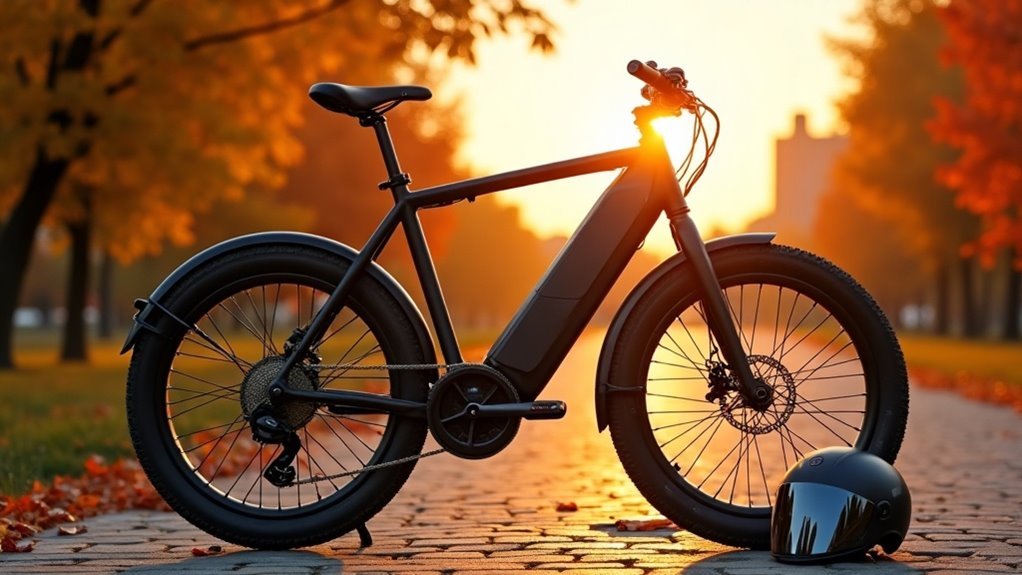
Electric bicycles, or e-bikes, seamlessly blend traditional cycling with electric assistance for improved performance. Equipped with motors ranging from 200W to 750W, e-bikes can reach speeds of 16 to 28 mph. They utilize rechargeable lithium-ion batteries, offering a range of 20 to 80 miles per charge. Riders can select from various modes, including pedal-only, pedal-assist, or electric-only. Familiarizing yourself with these features not only enhances your riding experience but also equips you with the knowledge to delve deeper into the world of e-bikes.
Key Takeaways
Electric bicycles (e-bikes) seamlessly blend traditional cycling with electric assistance, enhancing performance and ease of use. They are equipped with motors ranging from 200W to 750W, allowing for speeds between 16 to 28 mph. E-bikes rely on rechargeable lithium-ion batteries, providing a travel range of 20 to 80 miles per charge. There are three main classifications of e-bikes: Class 1 (pedal-assist), Class 2 (throttle-enabled), and Class 3 (higher-speed pedal-assist). Riding e-bikes not only promotes environmental sustainability but also offers a practical solution for urban commuting and recreational cycling.
What Are Electric Bikes and How Do They Work?
Electric bikes, or e-bikes, represent a significant advancement in cycling technology, seamlessly blending traditional pedaling with electric assistance. Equipped with a motor typically ranging from 200W to 750W, e-bikes can achieve speeds between 16 to 28 mph, depending on their designated class.
They operate using a rechargeable lithium-ion battery and feature an electricity delivery system that includes displays and controls for user convenience. E-bikes provide versatile modes such as pedal-only, pedal-assist, and electric-only, catering to various riding preferences. Additionally, choosing the perfect battery for your e-bike can greatly enhance performance and longevity.
Their evolution mirrors the changing demands of transportation, focusing on efficiency and sustainability. By reducing dependence on fossil fuels, e-bikes play a crucial role in promoting environmental sustainability, making them an attractive option for eco-conscious riders.
Different Classes of E-Bikes Explained
Understanding the different classes of e-bikes is essential for choosing the right model for your needs. Here’s a breakdown of e-bike classifications:
Understanding e-bike classifications is crucial for selecting the perfect model to suit your riding style and needs.
- Class 1: Pedal-assist only, with a maximum speed of 20 mph; ideal for bike lanes.
- Class 2: Throttle-enabled, allowing operation without pedaling, also capped at 20 mph; offers added versatility.
- Class 3: Pedal-assist only, reaching speeds up to 28 mph; subject to specific legal regulations.
Each class has a maximum motor power of 750 watts, which affects where you can legally ride. Understanding the best electric bikes available helps you make an informed decision.
Familiarizing yourself with these classifications ensures compliance with local laws and enhances your overall riding experience.
Key Components of Electric Bikes
To understand electric bikes better, you should focus on three key components: battery types and capacity, motor power and placement, and control systems and features.
Each of these elements plays a crucial role in enhancing your riding experience, directly affecting aspects like range and performance. Additionally, motor power is essential as it determines the bike’s acceleration and climbing ability.
Battery Types And Capacity
While selecting an electric bicycle, it’s crucial to consider the battery types and their capacity, as these factors directly influence your riding experience. Most e-bikes utilize lightweight lithium-ion batteries that offer a longer lifespan.
Here are key considerations:
- Capacity: Typically ranges from 20 to 80 miles per charge, depending on terrain and rider input.
- Wattage: Shouldn’t exceed 750 watts to comply with regulations.
- Placement: Usually located on the down tube or above the rear tire, impacting balance and ride quality.
Additionally, choosing a battery with high energy density can enhance overall efficiency and performance. Be sure to follow battery maintenance and charging guidelines for optimal performance.
Motor Power And Placement
Battery type and capacity significantly influence your e-bike experience, but the motor’s power and placement are also critical for performance.
Electric bicycle motors typically range from 200W to 750W, with 750W being the legal limit in the U.S. Hub motors offer a straightforward riding experience and low maintenance, while mid-drive motors provide superior handling and torque, especially on varied terrain. Additionally, choosing the perfect e-bike wheels can enhance your overall ride quality and efficiency.
Brushless motors are known for their efficiency and require minimal upkeep. Your choice of motor type and placement directly affects performance, handling, and battery consumption, making it crucial to select one that aligns with your riding preferences.
Control Systems And Features
When you ride an electric bicycle, understanding its control systems and features is essential for enhancing your experience.
Key components include:
- Control Modes: Select from pedal assist, throttle, or electric-only modes for personalized motor assistance.
- User Interface: Handlebar displays offer real-time data, such as speed, battery life, and distance, improving your ride awareness.
- Motor Efficiency: Brushless hub or mid-drive motors adjust power output dynamically based on your input and terrain, ensuring optimal performance.
These systems work together to provide a seamless riding experience while maximizing the advantages of your e-bike’s capabilities.
Top Benefits of Riding Electric Bicycles for Commuters and Recreation
Electric bicycles offer a compelling solution for commuters and recreational cyclists, greatly enhancing the cycling experience.
For commuters, e-bikes provide significant advantages by reducing travel time and allowing efficient navigation through urban traffic. With a range of 20 to 80 miles per charge, they’re practical for daily use.
E-bikes enhance commuting by cutting travel time and navigating urban traffic efficiently, with a practical range of 20 to 80 miles per charge.
For recreational cyclists, e-bikes facilitate easier climbs and longer rides, accommodating various fitness levels.
Additionally, e-bikes promote environmental sustainability by lowering carbon emissions and improving physical health by encouraging regular exercise while minimizing joint stress, making them an ideal choice for a wider audience.
Choosing Your Ideal Electric Bike
Choosing Your Ideal Electric Bike
How do you select the perfect electric bike for your needs? Start by considering these key factors:
- Class Type: Decide between Class 1, 2, or 3 based on the level of pedal assistance and speed that aligns with your riding preferences.
- Motor Type: Hub motors provide smooth rides, while mid-drive motors are better suited for varied terrain, significantly impacting your bike’s performance.
- Battery Capacity: Opt for larger batteries that offer a range of 20 to 80 miles, which is crucial for longer journeys.
Remember to test ride different models to ensure comfort and performance.
Additionally, consider e-bike accessories and maintenance tips to enhance your riding experience and extend the lifespan of your electric bike.
Safety Tips for Riding Electric Bikes
While riding an electric bike offers a thrilling experience, prioritizing safety is essential for a secure journey. Always wear a certified helmet, as studies show it can reduce severe head injuries by up to 70%.
Equip your e-bike with front and rear lights, since nearly 50% of accidents occur in low-light conditions. Use visibility gear, like reflective accessories, especially during dusk.
Familiarize yourself with local traffic laws, as 30% of cyclists are unaware of them. Finally, practice defensive riding techniques by maintaining safe distances from vehicles, since over 60% of accidents involve collisions with motor vehicles.