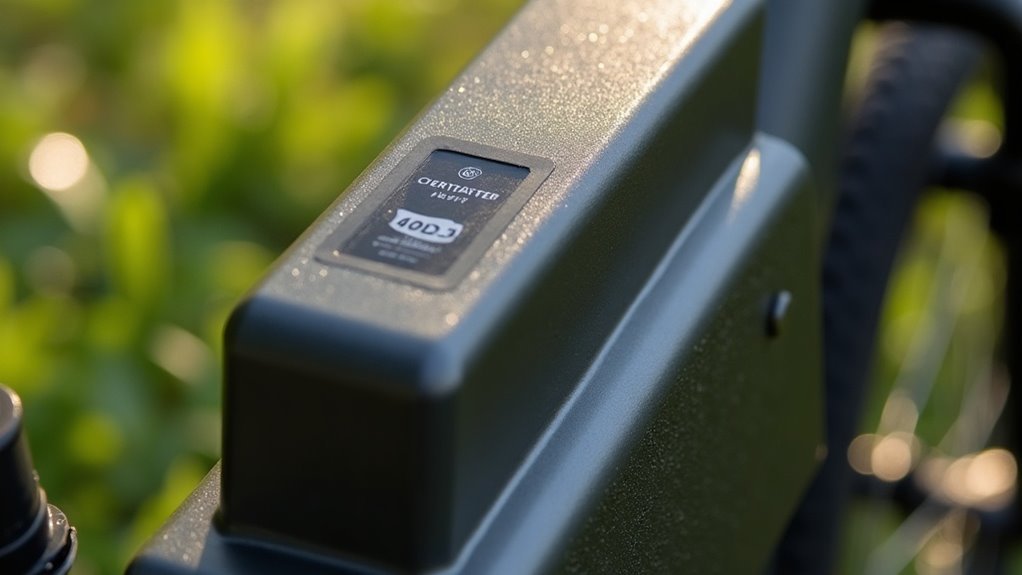

A Battery Management System (BMS) is crucial for optimizing your e-bike’s battery performance and lifespan. It continuously monitors voltage, current, and temperature, preventing dangerous situations like overcharging and thermal runaway. The BMS also estimates the State of Charge (SOC) and State of Health (SOH), ensuring efficient operation and extending battery life. By safeguarding against over-discharging, it enhances both safety and performance. Discover how essential components and balancing techniques can further improve the efficiency and reliability of your e-bike’s battery system.
Key Takeaways
A Battery Management System (BMS) is essential for optimizing the performance and lifespan of e-bike batteries by continuously monitoring voltage, current, and temperature. It plays a critical role in preventing overcharging and thermal runaway, ensuring the safe operation of e-bikes. The BMS accurately estimates State of Charge (SOC) and State of Health (SOH), providing vital insights into the battery’s status.
Additionally, it utilizes balancing techniques to equalize charge levels among cells, which maximizes efficiency and minimizes maintenance costs. The BMS also enhances user safety by activating protection mechanisms against overcharging, over-discharging, and overcurrent conditions, making it a key component for reliable e-bike performance.
What Is a Battery Management System?
A Battery Management System (BMS) is essential for optimizing the performance and lifespan of e-bike batteries. It continuously monitors critical parameters such as voltage, current, and temperature, preventing issues like overcharging and thermal runaway.
By estimating the State of Charge (SOC) and State of Health (SOH), the BMS ensures effective battery maintenance tailored for e-bikes. It also utilizes cell balancing techniques to equalize charge levels across individual cells, enhancing efficiency and longevity.
Seamlessly integrating with e-bike systems, the BMS plays a crucial role in optimizing charging and discharging processes, ensuring compliance with safety and performance standards for reliable operation. Additionally, choosing the right battery management system can significantly influence overall system performance and user satisfaction.
Essential Components of a Battery Management System and Their Functions
Several essential components make up a Battery Management System (BMS) specifically for electric bicycles (e-bikes), each playing a significant role in ensuring optimal battery performance.
The fuel gauge monitors battery charge levels, providing riders with real-time information. A cell voltage monitor tracks individual cell performance, enhancing operational efficiency.
A cell balancer equalizes charge distribution across the cells, maximizing battery lifespan. Temperature monitoring prevents overheating by activating cooling systems as needed, ensuring safe operation during rides.
Protection mechanisms guard against overcharging, over-discharging, and overcurrent, extending the battery’s service life.
Finally, communication interfaces, often using protocols like CAN bus, relay critical information and status updates to external systems, enabling real-time monitoring and control of the e-bike’s battery health and performance.
How a BMS Makes Batteries Safer and More Efficient
A Battery Management System (BMS) significantly enhances the safety and efficiency of e-bikes by continuously monitoring voltage, temperature, and current to prevent hazardous conditions like overcharging. It also boosts energy efficiency through cell balancing, ensuring uniform charge distribution among the battery cells. Additionally, a well-designed BMS contributes to the longevity of the battery by preventing unwanted conditions that could lead to early failure.
Enhanced Safety Features
While operating e-bikes can present risks, an effective Battery Management System (BMS) significantly enhances safety and efficiency. It provides battery protection through continuous monitoring of voltage levels, preventing overcharging and overdischarging.
Advanced thermal management techniques maintain ideal temperatures, which helps prolong battery life. The BMS detects overcurrent and overtemperature conditions, activating safety protocols to mitigate thermal runaway risks. Additionally, a well-designed BMS can improve battery lifespan by optimizing charge cycles and reducing wear on the battery cells.
Improved Energy Efficiency
Enhanced energy efficiency in e-bike battery systems relies on the capabilities of a Battery Management System (BMS), which actively monitors voltage, temperature, and internal resistance.
This optimization provides several advantages:
- Effective cell balancing to equalize charge levels
- Improved thermal management to prevent overheating
- Predictive analysis for extending battery lifespan
- Reduced downtime with rapid balancing techniques like Flash Balancing
Additionally, a well-designed BMS can significantly enhance brake pad performance, ensuring that the overall energy consumption of the e-bike is minimized during operation.
Traditional vs. Advanced Balancing Techniques in BMS
Balancing techniques in Battery Management Systems (BMS) are crucial for optimizing the performance and extending the lifespan of electric bicycles (e-bikes).
Traditional passive balancing reduces the charge of the highest lithium-ion battery cells to match the lowest, often taking 8-12 hours and interrupting the process, which can lower nominal capacity.
In contrast, advanced active balancing techniques, such as those found in the Flash Balancing System, facilitate charge transfer between cells, achieving balance in under 30 minutes during discharge.
This system employs both active and passive balancing methods, enhancing monitoring and thermal management, thereby reducing maintenance costs and downtime while significantly improving the efficiency of e-bike battery packs.
Where Are Battery Management Systems Used?
Battery Management Systems (BMS) are vital in electric bicycles (e-bikes).
In these vehicles, a BMS ensures efficient power management and enhances battery life, allowing for longer rides and better performance. Additionally, the choice of e-bike motors plays a significant role in how effectively the BMS can manage energy consumption.
Understanding the role of BMS in e-bikes underscores their importance in optimizing energy use and ensuring rider safety in modern electric mobility.
Electric Vehicles Applications
In electric bicycles (e-bikes), the role of Battery Management Systems (BMS) is crucial for monitoring and optimizing battery performance. A BMS ensures efficient charging and longevity by actively managing:
- Battery voltage and state of charge (SOC)
- Cell state to prevent overheating
- Communication with the e-bike’s control units for energy management
- Balancing the cells to reduce degradation
These systems not only enhance safety by preventing overcharging but also extend battery life and reduce maintenance costs.
With advanced technologies like Flash Balancing, you can achieve cell balance quickly, contributing to the overall sustainability and efficiency of e-bike solutions.
Renewable Energy Storage
As electric bicycles (e-bikes) gain popularity, the importance of Battery Management Systems (BMS) in their energy storage solutions becomes increasingly vital. A BMS ensures the safe operation of lithium-ion batteries by continuously monitoring voltage, temperature, and state of charge (SOC). Effective cell balancing techniques optimize battery packs, enhancing energy utilization and preventing capacity loss. This technology supports the efficient use of energy, managing power release during rides. By employing real-time monitoring and predictive analysis, BMS solutions improve performance and reliability, contributing to cost-effective and sustainable e-bike experiences.
| Feature | Description | Benefit |
|---|---|---|
| Real-Time Monitoring | Constant assessment of battery health | Immediate fault detection |
| Cell Balancing | Equalizes charge levels across cells | Maximizes energy utilization |
| State of Charge (SOC) | Tracks battery capacity | Optimizes usage and lifespan |
| Predictive Analysis | Anticipates energy needs | Enhances overall system efficiency |
Portable Electronics Management
The role of Battery Management Systems (BMS) is crucial in e-bikes, where it serves several important functions:
- Monitoring battery health and performance
- Preventing overcharging and thermal runaway
- Calculating the State of Charge (SOC) and State of Health (SOH)
- Employing cell balancing techniques to extend battery lifespan
These features ensure that e-bike batteries operate efficiently and safely, enhancing the overall riding experience.
FAQs About Battery Management Systems and Their Importance
How do Battery Management Systems (BMS) enhance the efficiency and longevity of e-bike battery systems? A BMS continuously monitors crucial parameters such as voltage, current, and temperature, ensuring safe operation throughout the battery’s lifecycle.
By managing State of Charge (SOC) and State of Health (SOH), it detects degradation and optimizes performance. Balancing techniques, both passive and active, equalize charge levels at the cell level, maximizing efficiency and preventing capacity differences.
Furthermore, a BMS improves safety by protecting against overcharging, overdischarging, and thermal runaway, significantly reducing the risk of failure.
This integration also lowers maintenance costs and minimizes downtime by automating monitoring and alerts specifically for e-bike applications.