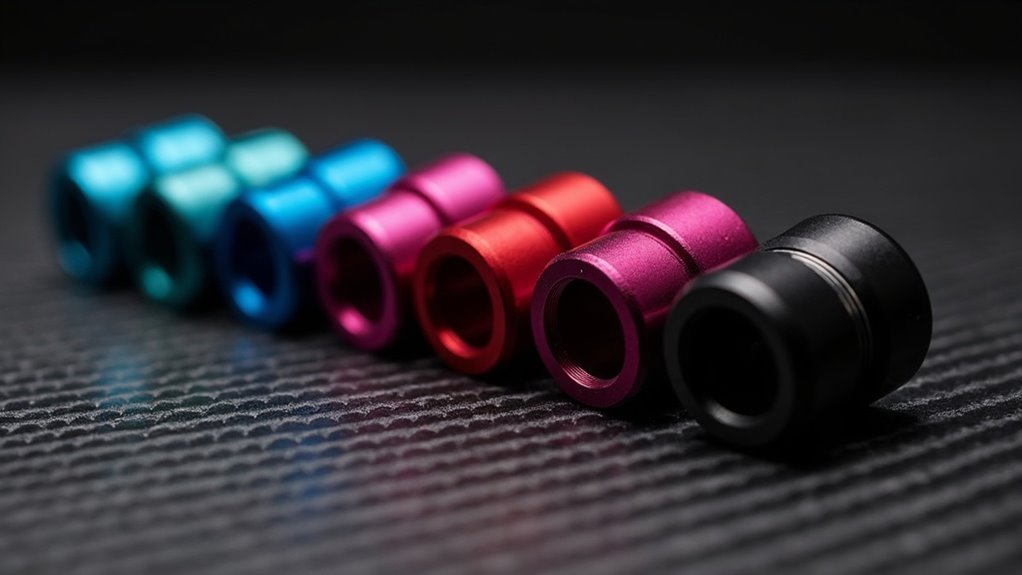
If you’re looking to enhance your bike’s performance, boost spacing adapters are essential. Consider options like the Front Bike Boost Hub Conversion, which shifts your hub from 15mm x 100mm to 110mm, or the Front Rear Bicycle Boost Adapter for full conversions. The lightweight aluminum construction guarantees durability, while easy installation makes them user-friendly. Check compatibility with your existing hubs, and you’ll discover what fits best. Keep going to find out more about your top choices!
Front Bike Boost Hub Conversion (15mm x 100mm to 110mm)

If you’re looking to upgrade your older bike to fit a newer Boost fork, the Front Bike Boost Hub Conversion (15mm x 100mm to 110mm) is a fantastic choice. This adapter, crafted from durable Alloy 6061, efficiently converts your 15mm x 100mm thru axle hub to fit a 110mm Boost fork. Weighing only 11g, it’s lightweight and easy to install. The package includes one adapter, two spacers, and six bolts, making setup straightforward. Users appreciate its effectiveness, although some mention spacer issues during wheel removal. Overall, this conversion is a reliable solution for enhancing your bike’s compatibility and performance.
Best For: Cyclists looking to upgrade older bike hubs to be compatible with newer Boost forks.
Pros:
- Effective Conversion: Successfully converts 15mm x 100mm thru axle hubs to fit 110mm Boost forks.
- Lightweight Design: Weighs only 11g, adding minimal weight to your bike.
- Easy Installation: Straightforward setup with included adapter, spacers, and bolts.
Cons:
- Spacer Issues: Some users report spacers falling out during wheel removal.
- Machining Concerns: Poor machining on bolts can lead to fitting issues.
- Temporary Solution: May be more suitable for temporary adaptations rather than permanent upgrades.
Front Rear Bicycle Boost Hub Conversion Adapter
Product not found or API error.
The Front Rear Bicycle Boost Hub Conversion Adapter by Dymoece is an ideal choice for cyclists looking to easily convert their bike’s hubs without breaking the bank. Weighing just 24 grams, this durable aluminum alloy adapter comes with two spacers, a body, and six bolts, allowing you to convert your front hub from 15mm x 100mm to 15mm x 110mm and your rear from 12mm x 142mm to 12mm x 148mm. Users appreciate its solid construction and ease of installation, though some recommend using grease to secure the spacers during the process. With a 4.5-star rating, it’s a reliable option for your biking needs.
Best For: Cyclists seeking an affordable and efficient solution for converting their bike’s hubs to boost specifications.
Pros:
- Durable Construction: Made from solid aluminum alloy for superior strength and longevity.
- Easy Installation: Users report a straightforward installation process, making it accessible for most cyclists.
- Effective Conversion: Successfully converts hub sizes for various bike models, ensuring compatibility with new forks and frames.
Cons:
- Installation Challenges: Some users find it tricky to hold spacers in place during installation, requiring practice.
- Spacer Loss Risk: There is a recommendation to keep extra spacers on hand to prevent loss during transport.
- Grease Required: Users suggest using grease to secure spacers, which may add an extra step to the installation process.
Bike Bicycle Front Hub Adapter for Boost Hub Conversion
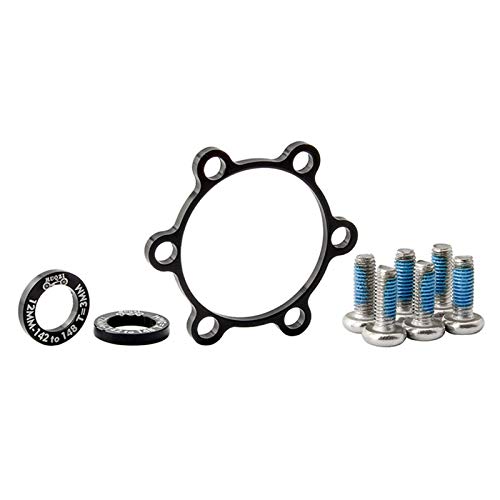
Looking to enhance your bike’s performance? The Bike Bicycle Front Hub Adapter is your go-to solution for converting your front and rear hubs to boost specifications. Made from durable aluminum alloy, this adapter guarantees high strength and rust resistance. It easily converts a 100mm x 15mm front hub to 110mm x 15mm and a 142mm x 12mm rear hub to 148mm x 12mm. Installation is a breeze, with everything you need included in the package. Plus, with a solid customer rating of 4.1 stars, you can trust its quality and compatibility with various bike models.
Best For: Cyclists looking to upgrade their bike’s hub specifications for improved performance and compatibility.
Pros:
- Durable Material: Constructed from high-quality aluminum alloy, ensuring strength and resistance to rust.
- Easy Installation: Comes with all necessary accessories for a straightforward setup, making it user-friendly for all skill levels.
- Versatile Compatibility: Suitable for converting various bike models to boost specifications, enhancing overall functionality.
Cons:
- Size Limitations: The adapter may not fit all hub sizes, limiting its use for some bike models.
- Color Variability: Actual product color may differ due to monitor settings, which could lead to dissatisfaction.
- Manual Measurement Deviation: Potential slight inaccuracies in size measurements may affect compatibility if not carefully checked.
Front Rear Bicycle Boost Hub Conversion Adapter
Product not found or API error.
For cyclists wanting to upgrade their non-boost wheels to fit modern boost frames, the Front Rear Bicycle Boost Hub Conversion Adapter is an ideal solution. Crafted from durable Aluminium Alloy 6061, this lightweight adapter weighs approximately 24g and features a sleek black finish. It includes two spacers, one body, and six bolts for easy installation. Designed to convert front hubs from 15mm x 100mm to 15mm x 110mm, and rear hubs from 12mm x 142mm to 12mm x 148mm, it’s a cost-effective alternative to new wheels. Many users rave about its quality and effective performance, making it a popular choice among cyclists.
Best For: Cyclists looking to convert their non-boost wheels to fit modern boost frames without the expense of purchasing new wheels.
Pros:
- High-quality aluminum construction ensures durability and longevity compared to cheaper alternatives.
- Cost-effective solution allows cyclists to upgrade their bike without investing in new wheels.
- Positive user feedback highlights successful conversions and effective performance across various bike models.
Cons:
- Spacer handling can be tricky during installation, requiring practice for a smoother experience.
- Some users recommend using grease to keep spacers in place, which may add an extra step to the installation process.
- Extra spacers may need to be kept on hand to avoid loss during transport, adding to the overall hassle.
Disc Brake Adapter for Bicycle Hub Conversion

Need a reliable solution for upgrading your bike’s disc brake setup? The Disc Brake Adapter is your answer. This alloy hub adapter effortlessly converts 100*15mm front hubs to 110*15mm and rear 142*12mm hubs to 148*12mm. Made from high-strength aluminum alloy and CNC-machined, it resists corrosion and deformation, ensuring long-lasting performance. The kit includes everything you need for a quick installation—one hub adapter, two washers, and six screws—requiring minimal tools. With a lightweight design of just 28-33 grams, it’s perfect for enhancing various bike models and DIY modifications. Upgrade and enjoy superior braking performance today!
Best For: Cyclists looking to upgrade their bike’s disc brake system for improved performance and compatibility.
Pros:
- High-strength aluminum alloy construction ensures durability and resistance to corrosion.
- Easy installation with minimal tools required, making it suitable for DIY enthusiasts.
- Lightweight design (28-33 grams) does not add significant weight to the bike.
Cons:
- Limited compatibility as it only fits specific hub sizes (100*15mm to 110*15mm and 142*12mm to 148*12mm).
- Potential need for additional tools if the bike’s existing setup is complex.
- Only one review available, which may not provide a comprehensive view of long-term performance.
MRP,BETTER BOOST SPACER,STANS; 5MM ADAPTER W/6 BOLTS,NEO
Product not found or API error.
The MRP Better Boost Spacer, Stans; 5mm Adapter w/6 Bolts, Neo is an excellent choice for cyclists seeking to upgrade their existing 15x100mm front wheel to the Boost 15x110mm fork standard. This adapter works seamlessly with Neo and Neo Ultimate 6-bolt hubs, ensuring compatibility with recent Stans No Tubes wheelsets. You’ll appreciate how it maintains your wheel dish by shifting the brake rotor outboard without requiring re-dishing. Crafted from aluminum, it’s lightweight yet durable. While some users report issues like missing seals, the overall functionality makes this adapter a smart upgrade for enhancing your bike’s performance.
Best For: Cyclists looking to upgrade their 15x100mm front wheel to the Boost 15x110mm fork standard without requiring wheel re-dishing.
Pros:
- Lightweight and durable aluminum construction.
- Maintains existing wheel dish while upgrading to Boost standard.
- Compatible with various Stans No Tubes wheelsets using Neo hubs.
Cons:
- Users report missing seals and o-rings.
- Some experience issues with end caps falling out.
- Loose hub adapters can be a concern for certain users.
Hub Conversion Boost Adapter for Bike
Product not found or API error.
Cyclists seeking to enhance their bike’s performance will find the Hub Conversion Boost Adapter an invaluable accessory. This adapter allows you to easily convert your 100 x 15mm front hub to 110 x 15mm and your 142 x 12mm rear hub to 148 x 12mm. Crafted from high-strength aluminum alloy, it guarantees durability and prevents deformation, while smooth surfaces protect against abrasion. With all necessary fittings included, installation is quick and hassle-free, saving you time for more rides. This adapter not only upgrades your components but also enhances your biking experience, making it a must-have for any bike lover.
Best For: Cyclists looking to upgrade their bike’s hub compatibility and enhance performance with a durable and easy-to-install adapter.
Pros:
- High-strength aluminum alloy construction ensures durability and prevents deformation.
- Smooth surfaces protect against abrasion, maintaining optimal performance over time.
- Quick and hassle-free installation with all necessary fittings included, allowing for more time on the bike.
Cons:
- May not be compatible with all bike models, limiting its use for some cyclists.
- Requires specific hub dimensions for effective conversion, which may not suit everyone’s needs.
- Potential for added weight, which could be a consideration for weight-conscious cyclists.
Factors to Consider When Choosing Boost Spacing Adapters
When choosing boost spacing adapters, you’ll want to take into account compatibility with your existing hubs to guarantee a proper fit. Material quality and durability can greatly impact performance, so pay attention to those details. Finally, think about installation ease, weight, and how the adapters will perform in various riding conditions.
Compatibility With Existing Hubs
Verifying your boost spacing adapters are compatible with your existing hubs is essential for a smooth ride. Start by confirming that the adapter matches your hub’s axle diameter and width, like converting from 15mm x 100mm to 15mm x 110mm for front hubs. Each bike model has specific fork specifications, so check if the adapter is optimized for your setup to avoid installation challenges. Keep in mind that different brands may offer similar sizes, but their materials can vary, influencing performance. You’ll also need to evaluate the tools required for installation, as some adapters might require adjustments or spacers to maintain hub alignment. Taking these factors into account will guarantee a seamless upgrade to your bike’s performance.
Material Quality and Durability
Choosing the right material for your boost spacing adapters is essential for ensuring durability and performance on the road or trail. Aluminum alloys, particularly 6061, are highly recommended due to their strength and corrosion resistance. Opt for adapters made with CNC machining, as this process guarantees a precise fit and smooth surface finish that enhances longevity and prevents deformation. Look for lightweight options weighing between 11g to 33g to maintain peak cycling performance without sacrificing strength. An anodized finish not only improves the look but also adds a protective layer against wear and environmental elements. Avoid lower-quality materials like plastic, as they can lead to premature failure and unreliable conversions, making material choice critical for your biking needs.
Installation Ease and Tools
While material quality and durability are essential for boost spacing adapters, installation ease is equally important. Most adapters come with all necessary components, including spacers and bolts, so you won’t need specialized tools. However, some users find that keeping spacers in place during axle threading can be tricky. A little grease can help with this. You’ll need to replace your existing bolts with the longer ones included in the adapter kit for a secure fit. It’s a good idea to practice your installation technique and consider using extra spacers to avoid losing them during transport. Many adapters emphasize ease of installation, making them perfect for DIY enthusiasts looking to upgrade their bike hubs efficiently.
Weight Considerations
When weighing your options for boost spacing adapters, it is crucial to contemplate how their weight impacts your bike’s overall performance. Generally, these adapters range from about 11g to 33g. If you’re after a more agile ride, lighter adapters around 11g are ideal, especially for competitive cycling. However, heavier options, which can reach 33g, might provide extra durability but could hinder your bike’s weight efficiency. Every gram saved contributes to improved handling and speed, so consider this when making your choice. Additionally, balance the adapter’s weight with its material properties; high-strength aluminum alloys offer durability without piling on unnecessary weight. Ultimately, the right adapter should enhance your ride without compromising performance.
Performance in Various Conditions
As you navigate different riding conditions, the performance of boost spacing adapters becomes crucial for your bike’s handling and stability. These adapters enhance wheel compatibility with newer fork designs, allowing for improved control on various terrains. Made from high-strength aluminum alloy, they resist deformation, ensuring durability and consistent performance under stress. Proper installation minimizes wheel misalignment, which is essential for peak braking and control, especially on rough trails. Look for adapters with precision machining; their smooth surface reduces friction, enhancing power transfer and efficiency while pedaling. Many users report a significant boost in ride quality and responsiveness in challenging environments, like downhill trails and technical courses, making these adapters a worthy investment for serious cyclists.